Reviewing Christmas Tree Sublimation Design - 3
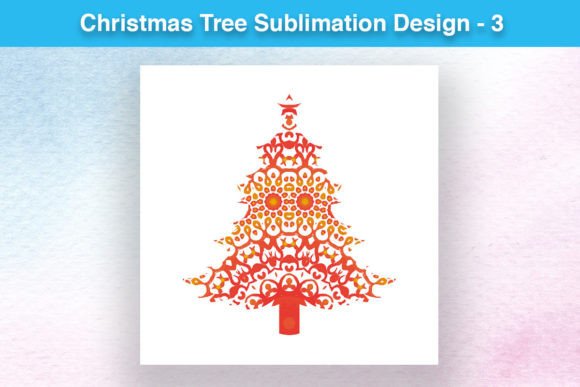
As an embroidery designer who has spent years digitizing patterns and critiquing finished goods for small business owners, I approach every new machine embroidery design with a specific set of questions. Will it stitch out cleanly? Does it hold up on textured fabrics? Is it versatile enough for both a high-end boutique sweatshirt and a quick holiday gift? Recently, I took a close look at Christmas Tree Sublimation Design - 3, categorized under Illustrations, to see how it translates from a digital concept to a tangible, stitched reality.
The first impression of this design is its balanced visual personality. It avoids the cluttered, overly complex look that plagues many holiday-themed assets. Instead, it offers a clean, recognizable silhouette that reads well from a distance. For those of us in the craft business, readability is key. A customer scrolling through Etsy listings or walking past a craft fair booth needs to identify the subject matter instantly. This design achieves that without sacrificing artistic charm.
Real-World Application: The Holiday Tote Test
To truly evaluate Christmas Tree Sublimation Design - 3, I imagined a common real-life scenario: preparing a custom embroidered tote bag for a December client order. Tote bags are tricky. They often use canvas or heavy cotton blends, which have a distinct weave that can interfere with fine details. I visualized placing this design on a natural linen tote, using deep forest green and metallic gold threads.
The layout of the design suggests it would perform exceptionally well here. Because it falls under the category of Illustrations, it likely relies on strong lines rather than excessive density. In my experience, designs that mimic sublimation aesthetics often translate beautifully into embroidery when they prioritize shape over shading. If this design uses a mix of satin stitch for outlines and fill stitch for broader areas, it would create a lovely texture contrast against the rougher fabric of a tote. The result would be a handmade product that feels premium rather than mass-produced.
Versatility Across Apparel and Home Decor
Beyond totes, I considered how this asset fits into other popular niches for embroidery designers and Etsy sellers. For custom apparel, such as a crewneck sweatshirt, the design’s scale is crucial. A Christmas tree motif needs to sit comfortably on the left chest or as a larger back piece without distorting the garment. Christmas Tree Sublimation Design - 3 appears to have the structural integrity to handle the stretch of a fleece or cotton blend, provided the correct stabilizer is used.
For baby embroidery projects, such as a onesie or a burp cloth, simplicity is king. Parents want cute, clear imagery that doesn’t feel heavy or stiff on delicate skin. If this design allows for reduced stitch density without losing its form, it becomes a viable option for nursery decor and baby clothes. Similarly, for kitchen towels or aprons, the design’s ability to withstand frequent washing is paramount. A well-digitized illustration will maintain its shape after multiple cycles, preserving the value of the finished product.
Navigating Technical Challenges
While the aesthetic appeal is strong, practical judgment requires us to look at where caution is needed. Any designer working with Christmas Tree Sublimation Design - 3 should consider the limitations of small hoop sizes. If the design includes intricate branches or tiny decorative elements, shrinking it too much for a 4x4 inch hoop could cause the stitches to merge, resulting in a muddy appearance. Always check the minimum recommended size before committing to a small project like a cap or a patch.
Curved surfaces present another challenge. Embroidering on a cap requires a design that can adapt to the panel’s curve without pulling or puckering. If this illustration has large, solid fill areas, it might be too rigid for a structured hat. However, if it utilizes running stitch or lighter fill techniques, it could work beautifully as a subtle accent. Additionally, when working with dark fabrics, thread color contrast becomes critical. A dark green tree on a navy shirt will vanish. You must plan your thread colors carefully to ensure the design pops, perhaps opting for brighter greens or adding a white outline to separate the motif from the background.
Enhancing Brand Consistency and Value
For creative entrepreneurs and boutique owners, consistency is vital. Using a cohesive set of design assets helps build brand recognition. Christmas Tree Sublimation Design - 3 fits into a broader narrative of modern, minimalist holiday decor. By incorporating this into your seasonal lineup, you signal to customers that your shop values contemporary aesthetics over traditional, cluttered motifs. This perception increases buyer engagement and trust.
Furthermore, the quality of the embroidery file directly impacts the perceived value of the handmade product. Clean stitch paths, proper trim points, and balanced tension result in a professional finish. When a customer receives a personalized gift that looks neat and durable, they are more likely to leave a positive review and return for future purchases. This design, if executed with care, contributes to that high standard of professionalism.
Practical Notes for the Embroidery Designer
Before you load this design into your machine for a commercial embroidery project, take these practical steps. First, always test the design on scrap fabric that matches your final material. This allows you to check thread color contrast and stitch density without risking your main garment. Second, inspect the small details. Zoom in on your software to ensure there are no overlapping stitches or unnecessary jumps that could cause thread breaks.
It is also wise to test the design in black and white mockups. This helps you understand the tonal range and ensures the shape remains distinct even without color. Compare how it looks on light versus dark fabric backgrounds to determine if additional underlay or outlining is necessary. Finally, confirm the licensing terms. While many digital embroidery files allow for commercial use, always verify whether you can sell the finished physical items or if there are restrictions on digital redistribution. Protecting your craft business starts with respecting intellectual property rights.
In conclusion, Christmas Tree Sublimation Design - 3 offers a promising foundation for a variety of holiday projects. From tote bag designs to sweatshirt embroidery, its illustrative style lends itself to modern, clean applications. By paying attention to hoop size, stabilizer choice, and fabric texture, you can transform this digital asset into a standout finished product that delights customers and elevates your small shop’s offerings.