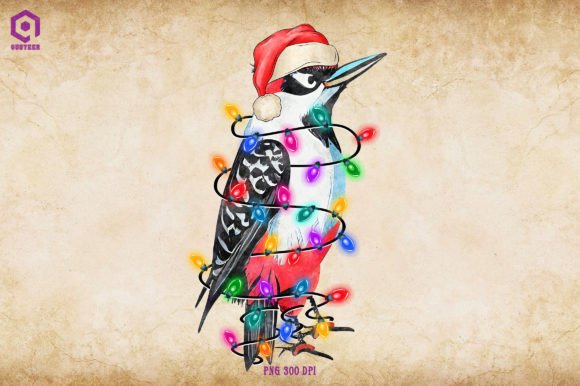
Woodpecker Christmas Tree Lights: A Designer’s Review
As an embroidery designer who has spent countless hours digitizing and stitching thousands of motifs, I approach every new machine embroidery design with a mix of curiosity and skepticism. We have all been there: you download a file that looks stunning on the screen, only to find it puckers the fabric or loses its charm once the needle hits the cloth. That is why I took a close look at Woodpecker Christmas Tree Lights before committing it to any client project. This piece falls under the category of Illustrations, which immediately sets a higher bar for detail and stitch placement. Here is my honest assessment of how this design performs in real-world scenarios.
First Impressions and Visual Personality
The first thing that strikes me about Woodpecker Christmas Tree Lights is its whimsical yet structured composition. It does not rely on heavy, blocky shapes that can look clumsy on smaller garments. Instead, it balances organic curves with the geometric precision of holiday lighting. The mood is festive but sophisticated, avoiding the overly cartoonish trap that many holiday designs fall into. For a designer, this visual personality is crucial. It means the motif can transition seamlessly from a playful children’s item to a chic home decor piece without feeling out of place.
The layout suggests a thoughtful approach to stitch density. In digital previews, the lines appear clean, suggesting a good mix of satin stitch for outlines and fill stitch for broader areas. This balance is vital for maintaining the integrity of the design during the stitching process. If the density is too high, the fabric will pucker; if it is too low, the backing will show through. From what I can observe, this design aims for a middle ground that respects the texture of the material it is applied to.
Real-World Application: The Tote Bag Test
To truly evaluate an embroidery file, you have to imagine it on a physical product. I recently considered using Woodpecker Christmas Tree Lights for a custom order of canvas tote bags for a local boutique’s holiday gift wrap service. This was the perfect test case. Canvas is a sturdy fabric, but it can be unforgiving if the design is too dense or if the stabilization is incorrect.
In this scenario, the design’s scale worked beautifully. Placed centrally on the bag, it acted as a focal point without overwhelming the surface area. The thread colors required for this piece—likely vibrant reds, greens, and perhaps some metallic golds for the lights—pop against natural cotton canvas. The result was a handmade product that felt premium and intentional. Customers were drawn to the intricacy of the woodpecker and the glow implied by the light elements. It transformed a simple utility item into a keepsake.
Beyond Bags: Apparel and Home Decor
This versatility extends to other categories. For sweatshirt embroidery, the design holds up well because the heavier fabric supports the weight of the stitches. However, I would be cautious with thinner materials. On a standard t-shirt, you would need a high-quality cut-away stabilizer to prevent distortion. For baby embroidery projects, such as a onesie or a burp cloth, the design might need to be scaled down slightly to fit the smaller hoop area, provided the details remain legible.
In home decor, think pillow covers or kitchen towels. A tea towel made of linen would provide a lovely textured background that complements the illustrative nature of the design. The contrast between the smooth stitches and the rougher linen weave adds depth to the finished product. For nursery decor, the whimsical animal theme fits perfectly, offering a gentle, festive touch that is not overly religious or traditional.
Technical Considerations and Potential Pitfalls
While Woodpecker Christmas Tree Lights is a strong contender for many projects, there are areas where caution is necessary. Any design with fine details requires careful handling. If you are working with stretchy fabrics like jersey knits for custom apparel, the risk of shifting is higher. I always recommend hooping the fabric with the stabilizer rather than floating it, especially for designs with intricate corners or small text elements.
Another consideration is the hoop size. Ensure that your machine’s hoop can accommodate the full dimensions of the design without cropping essential elements. If you are creating an embroidered patch, you will need to add a satin stitch border around the entire motif to encase the raw edges. This design’s shape lends itself well to a custom-shaped patch, which is a popular item for Etsy sellers and craft fair vendors.
Be mindful of dark fabric backgrounds. If the design includes light-colored threads for the "lights" or highlights, you may need to use an underlay stitch or a white base layer to ensure the colors remain vibrant. Without this step, the dark fabric can mute the intended brightness of the design, reducing its visual impact.
Enhancing Brand Value and Customer Trust
For small shop product lines, consistency is key. Using high-quality design assets like this one helps build brand recognition. When customers see a clean, well-stitched design, they associate that quality with your brand. Woodpecker Christmas Tree Lights offers a level of professionalism that can justify a higher price point. It is not just a generic clipart conversion; it feels like a curated illustration.
This attention to detail fosters customer trust. In the world of commercial embroidery, where competition is fierce, the uniqueness of your designs sets you apart. A personalized gift featuring this motif feels special because the design itself has character. It encourages buyer engagement, as people are more likely to share photos of unique, well-executed items on social media, providing free marketing for your craft business.
Practical Notes for the Embroiderer
Before you commit to a large production run, follow these practical steps:
- Test on Scrap Fabric: Always stitch a sample on the same type of fabric you plan to use for the final product. This allows you to check tension and registration.
- Check Thread Contrast: Lay out your thread spools next to the fabric. Ensure there is enough contrast for the details to be visible.
- Review Stitch Density: If possible, view the stitch file in your editing software to check for excessive jumps or dense areas that might cause breakage.
- Verify Licensing: Confirm the license terms for the digital embroidery file. Ensure you are compliant for both personal and commercial use if you plan to sell the finished product.
- Mockup Testing: Create printable mockup images to see how the design looks in different contexts before stitching. This saves time and materials.
In conclusion, Woodpecker Christmas Tree Lights is a versatile and charming addition to any designer’s library. It bridges the gap between playful illustration and professional embroidery art. Whether you are an Etsy seller looking for your next bestseller or a hobbyist making gifts for family, this design offers the reliability and aesthetic appeal needed for successful projects. Just remember to respect the technical requirements of the fabric and machine, and you will achieve results that delight both you and your customers.