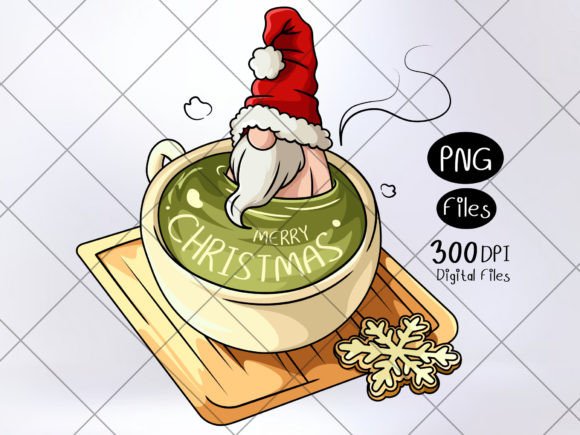
Review: Cute Christmas Gnome in a Tea Cup PNG for Embroidery
As an embroidery designer who has spent years digitizing and testing files for real-world application, I approach every new asset with a mix of curiosity and skepticism. We have all been there: you find a charming graphic online, imagine it stitched onto a cozy holiday sweatshirt, only to realize later that the details are too fine for the hoop or the colors clash with standard thread palettes. Today, I am taking a close look at the Cute Christmas Gnome in a Tea Cup PNG. This piece falls under the category of Illustrations, but its true test lies in how it translates from a flat digital image to a textured, threaded finished product.
The first impression of this design is undeniably warm. It captures that specific whimsical nostalgia associated with modern holiday decor. The concept of a gnome nestled inside a tea cup is playful and compact, which immediately suggests versatility. For those of us running a craft business or managing an Etsy shop, space efficiency on a garment is crucial. A design that is too large limits where it can be placed; a design that is too small risks losing detail. This particular illustration strikes a balance that feels intentional, offering a focal point that is substantial enough to be seen but contained enough to fit on cuffs, pockets, and smaller accessories.
Visual Appeal and Stitching Potential
When evaluating a PNG for embroidery use, I am not just looking at the art; I am mentally converting pixels into stitches. The Cute Christmas Gnome in a Tea Cup PNG features distinct shapes that lend themselves well to various stitch types. The rounded body of the gnome and the curve of the tea cup suggest smooth fill stitches, while the hat and facial features might require careful satin stitching to maintain definition. The visual personality here is soft and inviting, which is exactly what customers look for in holiday embroidery.
However, a PNG is a raster image, not a native embroidery file. This distinction is vital for professional results. If you are planning to use this as a reference for manual digitizing, the clear lines and contrasting colors make it an excellent candidate. If you are using auto-digitizing software, be cautious. Auto-conversion often creates excessive stitch density in gradient areas. For a project like this, I recommend manually adjusting the stitch density to ensure the fabric does not pucker, especially if you are working with lighter materials like cotton tea towels or baby clothes.
Real-World Application Scenarios
Let’s talk about where this design actually shines in a commercial or personal context. I recently considered a similar motif for a custom apparel line, and the potential applications for this gnome design are extensive. Here is how I see it performing in real-life embroidery situations:
- Sweatshirt Embroidery: Placed on the left chest or over the heart, this design adds a subtle festive touch without being overwhelming. It works beautifully on heather grey or cream-colored fleece.
- Tote Bag Design: A canvas tote benefits from bold, clear imagery. The gnome in the tea cup provides a charming centerpiece that appeals to shoppers looking for reusable holiday gift bags.
- Baby Embroidery: For onesies or burp cloths, the cute factor is high. However, you must ensure the stitch count is low enough to keep the garment soft against sensitive skin.
- Embroidered Patch: This shape is ideal for an iron-on or sew-on patch. You can stitch it out on twill, cut it close to the edge, and apply it to denim jackets or beanies for a boutique feel.
- Kitchen Textiles: Imagine this stitched onto a linen tea towel or an apron. It fits the "cozy kitchen" aesthetic that dominates social media trends during the winter season.
For Etsy sellers and small shop owners, this type of Illustrations asset can be used to create printable mockups before you even stitch a single thread. Having a high-quality visual allows you to gauge customer interest and refine your marketing strategy. It helps in building brand consistency across your digital storefront and your physical handmade products.
Technical Considerations and Fabric Choices
While the design is charming, practical execution requires attention to detail. Not every fabric will support this image equally. Here are some critical factors to consider before loading your hoop:
Fabric Texture and Stability: If you are stitching on textured fabrics like terry cloth or heavy wool, the finer details of the gnome’s face might get lost. In these cases, simplifying the design or increasing the size slightly can help maintain clarity. Always use a proper stabilizer. For stretchy fabrics like jersey knits used in t-shirts, a cut-away stabilizer is non-negotiable to prevent distortion after washing.
Thread Colors and Contrast: The success of this design relies heavily on thread color selection. Since the gnome and the tea cup likely involve contrasting tones, test your thread colors on scrap fabric first. Check the contrast between the gnome’s hat and the cup’s rim. If the values are too similar, the design will look muddy from a distance. I always recommend testing the design in black and white mockups to ensure the silhouette holds up without color reliance.
Hoop Size and Placement: Confirm your hoop size before starting. While the design is compact, ensure it fits comfortably within your smallest hoop if you plan to do sleeve or cuff work. Curved surfaces, such as caps, require special attention. The curvature can distort the image, so positioning the gnome centrally and using a cap frame is essential for professional results.
Commercial Use and Professional Standards
For those using this asset in commercial embroidery projects, understanding licensing is paramount. A PNG file is typically a graphic asset, not necessarily a licensed embroidery file for resale. Before selling finished items or digital products derived from this image, confirm the license terms. Can you sell the stitched product? Can you use it in a printable mockup for your store? Clarifying these rights protects your small business from legal issues and builds trust with your customers.
Moreover, the quality of your finished product reflects directly on your brand. A poorly stitched gnome with loose threads or puckered fabric undermines the cuteness of the design. Take the time to inspect small details. Trim jump threads carefully, and ensure that any applique elements are secured tightly. When a customer receives a personalized gift featuring this gnome, the tactile experience should match the visual appeal of the original illustration.
Final Verdict for Makers and Designers
The Cute Christmas Gnome in a Tea Cup PNG is a delightful addition to your holiday design assets. It offers a blend of whimsy and practicality that fits well within current market trends. Whether you are creating custom apparel for clients, stocking your Etsy shop with seasonal goods, or making personalized gifts for friends, this design has strong potential. However, its success depends entirely on your technical execution. Treat the PNG as a starting point, not a final solution. Digitize with care, choose your fabrics wisely, and respect the limitations of your machine.
By approaching this illustration with a designer’s eye and a crafter’s hands, you can transform a simple digital image into a cherished handmade product. Remember to test, adjust, and refine. The difference between a good embroidery project and a great one often lies in these small, thoughtful adjustments. Happy stitching!