Reviewing the Christmas Tree Illustration Background for Stitchers
As a designer who has spent countless hours digitizing and stitching out holiday motifs, I approach every new Christmas Tree Illustration Background with a mix of excitement and skepticism. We have all seen generic, clip-art style trees that look charming on a screen but turn into a tangled mess of thread on fabric. The difference between a design that sells and one that ends up in the scrap bin usually comes down to how well the digital art translates into physical stitches. Today, I am evaluating this specific illustration from the perspective of practical application, focusing on how it performs in real-world embroidery projects for small business owners and hobbyists alike.
First Impressions and Visual Personality
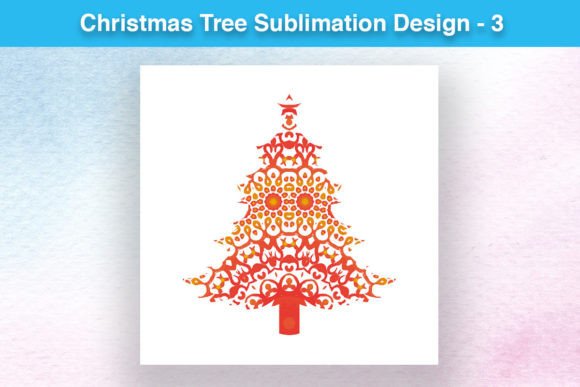
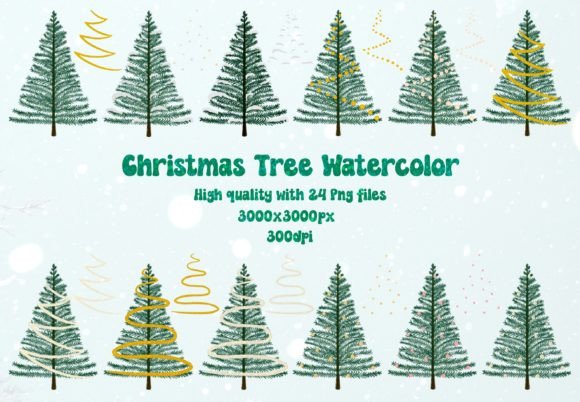
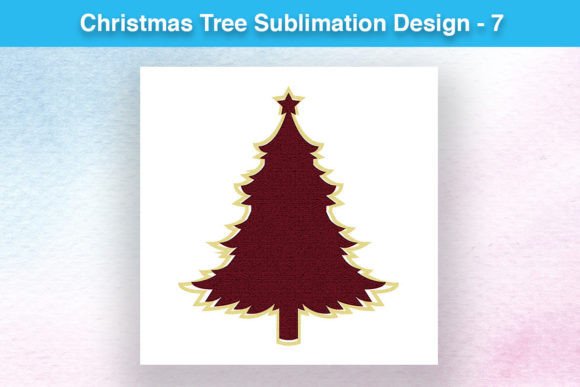
The first thing I noticed about the Christmas Tree Illustration Background is its balanced composition. Unlike overly complex vector art that relies on gradients and shadows, this design appears to respect the limitations of thread. The mood it creates is warm and nostalgic, fitting perfectly into the current trend of cozy, handmade holiday decor. The layout suggests a focus on silhouette and shape rather than microscopic detail, which is a crucial indicator of quality for machine embroidery. When I visualize this as an applique design or a standard fill-stitch project, the clean lines suggest it will hold up well without excessive jump stitches or thread breaks.
For those of us creating design assets for clients, the visual personality here is versatile. It does not scream "cheap novelty." Instead, it offers a refined look that can elevate a simple handmade product into something boutique-worthy. This is essential for Etsy sellers and craft entrepreneurs who need their listings to stand out in a saturated market. The illustration serves as a strong foundation, allowing the stitcher to add personal touches through thread choice and fabric selection.
Real-World Application: From Mockup to Finished Product
To truly test the viability of this design, I imagined a specific scenario: preparing a custom order for a local boutique needing holiday-themed tote bag design options. The client wanted something festive but subtle enough for daily use in December. The Christmas Tree Illustration Background fits this brief remarkably well. On a canvas tote, the design’s structure allows for bold thread colors like deep forest green or classic red, providing high contrast against natural cotton.
Beyond tote bags, this illustration shines in sweatshirt embroidery. When placed on the left chest of a crewneck, the scale feels appropriate—not too overwhelming, yet distinct enough to be recognized from a distance. I also considered its use in baby embroidery projects. For a onesie or a burp cloth, the design’s simplicity means less bulk on delicate skin, provided the stitch density is managed correctly. It transforms a basic garment into a cherished personalized gift that parents are likely to keep and photograph, which is free marketing for your craft business.
Another strong use case is in home decor, specifically pillow covers and kitchen towels. The horizontal or square-friendly nature of many background illustrations allows them to sit neatly above hemlines or along borders. For holiday embroidery collections, this design could anchor a series of products, creating brand consistency across your small shop product line. Whether you are selling physical items or offering a digital embroidery file for others to use, the versatility of this tree motif increases its commercial value.
Technical Considerations and Fabric Compatibility
While the design is visually appealing, technical execution is where many projects fail. One must consider fabric texture and stability. If you are stitching this on a textured linen or a waffle-knit towel, the finer details of the Christmas Tree Illustration Background might get lost. In such cases, I recommend using a heavier weight thread or simplifying the color palette to ensure clarity. For stretchy fabrics like jersey knits used in t-shirts, proper stabilization is non-negotiable. A cut-away stabilizer will prevent the design from puckering after washing, maintaining the professional look of your finished product.
Dark fabrics present another challenge. If you are stitching on navy or black, you cannot rely on the fabric to provide contrast. You must choose thread colors that pop, such as metallic golds, bright whites, or vibrant reds. Testing the design in a black-and-white mockup before stitching can help you identify potential visibility issues. Additionally, be mindful of hoop size constraints. If you are working with a 4x4 hoop, ensure the design fits comfortably within the safe zone, leaving room for any necessary text or monograms that might accompany the tree.
Curved surfaces, such as caps or hats, require extra caution. The Christmas Tree Illustration Background may need to be resized or simplified to avoid distortion on the curved panel of a cap. Dense stitch areas can cause the fabric to pucker or the cap to lose its shape, so checking the stitch density settings in your software is a critical step. If the design includes tiny lettering or intricate corners, verify that your machine can handle the resolution without frequent thread breaks.
Enhancing Brand Value and Customer Trust
Using high-quality illustrations like this directly impacts customer trust. When a buyer receives a custom apparel item or an embroidered patch that looks crisp and professional, they are more likely to leave positive reviews and return for future purchases. The Christmas Tree Illustration Background contributes to this perception of quality. It signals that the creator cares about the details, from the choice of motif to the final press of the garment.
For commercial embroidery projects, consistency is key. This design can serve as a staple in your winter catalog, appearing on aprons, blankets, and even corporate gifts. Its neutral yet festive style makes it safe for various audiences, reducing the risk of alienating potential buyers with overly specific religious or cultural symbols. This broad appeal is vital for maximizing sales during the short holiday season.
Practical Designer Notes for Best Results
Before you commit to stitching this design on a final product, follow these practical steps to ensure success:
- Test on Scrap Fabric: Always run a test stitch-out on the same type of fabric you plan to use for the final item. This reveals any tension issues or registration errors.
- Check Thread Contrast: Ensure your chosen thread colors stand out against the fabric. Use a color wheel to find complementary shades that enhance the tree’s shape.
- Review Stitch Density: If the design feels too stiff after stitching, reduce the density in your software. This is especially important for garments that need to drape softly.
- Confirm Hoop Size: Measure your hoop’s actual stitching area, not just the outer dimensions, to avoid hitting the frame.
- Inspect Small Details: Zoom in on the digital file to check for tiny elements that might not stitch out cleanly. Simplify if necessary.
- Use Proper Stabilizer: Match the stabilizer to the fabric weight. Tear-away for stable woven fabrics, cut-away for knits, and wash-away for delicate or sheer materials.
- Verify Licensing: Before selling finished items or distributing the digital embroidery file, confirm the license terms. Ensure you have the right to use the design for commercial purposes.
In conclusion, the Christmas Tree Illustration Background is a strong contender for your holiday project lineup. It balances aesthetic charm with technical feasibility, making it suitable for a wide range of applications from baby clothes to boutique merchandise. By paying attention to fabric choice, stabilization, and stitch optimization, you can transform this digital asset into a tangible product that delights customers and strengthens your brand. Remember, the best designs are those that not only look good on screen but survive the rigors of the embroidery machine and the joy of being gifted.