Reviewing Santa’s Christmas Boots for Holiday Embroidery
As an embroidery designer who has spent countless hours digitizing, testing, and stitching out holiday motifs, I approach every new machine embroidery design with a critical eye. It is not just about whether the image looks cute on a screen; it is about how those stitches behave on fabric, how they hold up after washing, and whether they add genuine value to a finished product. Recently, I evaluated Santa s Christmas Boots. New Year., a charming piece from the Illustrations category, to determine its viability for real-world craft business applications. Here is my practical assessment of how this design performs in a professional setting.
First Impressions and Visual Personality
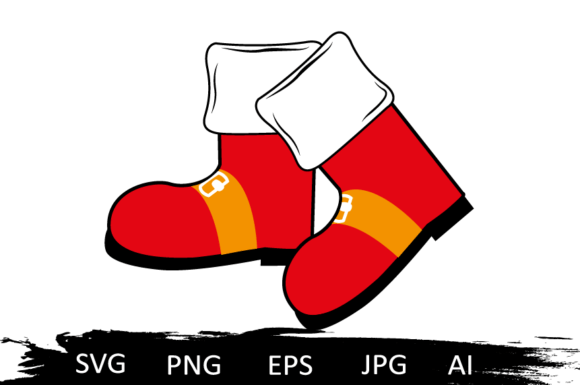
The first thing that strikes you about Santa s Christmas Boots. New Year. is its whimsical yet grounded aesthetic. Unlike overly complex scenes that can become muddy when stitched, this design relies on strong silhouettes and recognizable holiday iconography. The boots themselves suggest warmth and tradition, evoking the cozy feeling of waiting by the fireplace on Christmas Eve. For a designer, this clarity is crucial. When you are working with thread rather than pixels, simple, bold shapes often translate better than intricate details.
The mood created here is festive without being chaotic. It fits squarely into the modern farmhouse or traditional holiday decor trends that dominate the current market. Whether you are an Etsy seller looking to update your seasonal catalog or a hobbyist making gifts for family, the visual personality of this design feels welcoming. It does not scream for attention but rather invites a closer look, which is exactly what you want in a high-quality embroidery project.
Real-World Application: The Tote Bag Test
To truly understand the utility of Santa s Christmas Boots. New Year., I imagined applying it to a standard canvas tote bag. This is a staple item for any small shop product line during the holidays. Canvas has a distinct weave, and designs need enough density to cover the texture without pulling the fabric out of shape.
In this scenario, the design works exceptionally well. The broader areas of the boots would likely utilize a fill stitch pattern that provides solid coverage, ensuring the red and white threads pop against the natural beige or dark green of the bag. If this were an applique design, the process would be even smoother, allowing the maker to use festive fabrics like plaid or velvet for the boot material, adding tactile depth to the handmade product. For a customer buying a personalized gift, seeing a well-executed boot design on a sturdy tote suggests quality and care, enhancing the perceived value of the item.
Apparel and Custom Gifts
Beyond bags, this design is a strong contender for sweatshirt embroidery. A crewneck sweatshirt in heather grey or deep navy provides an excellent backdrop. The key here is placement. Centered on the chest, Santa s Christmas Boots. New Year. acts as a focal point that is festive but not overwhelming. It is subtle enough for daily wear throughout December, unlike larger, busier graphics that might feel too costume-like.
For baby embroidery projects, such as a onesie or a burp cloth, the design’s simplicity is again an asset. Babies move, and their clothes undergo frequent washing. A design with clean lines and appropriate stitch density will withstand the rigors of laundry better than one with thousands of tiny, fragile stitches. However, scale is critical. You must resize the design to fit the smaller hoop size typically used for infant garments, ensuring the details do not become so small that they merge together.
Technical Considerations for Stitching
While the aesthetic appeal is clear, the technical execution requires attention. When working with any digital embroidery file, you must consider the fabric texture. If you are stitching on a textured towel or a thick fleece, the definition of the design can get lost. In these cases, increasing the contrast between your thread colors and the background fabric is essential. For example, using a bright crimson red on a white towel will ensure the boots remain visible and vibrant.
Another factor is the use of stabilizer. For stretchy fabrics like t-shirts or knit caps, a cut-away stabilizer is non-negotiable to prevent puckering around the edges of the boots. If you are creating an embroidered patch to be ironed on later, you have more freedom to experiment with heavier densities, but for direct-to-garment stitching, balance is key. Too much density can make the fabric stiff and uncomfortable, while too little can look sparse and unprofessional.
Navigating Potential Pitfalls
There are specific scenarios where Santa s Christmas Boots. New Year. should be used with caution. Curved surfaces, such as the front panel of a baseball cap, can distort designs if they are too wide. You must check the width of the design against your cap frame’s usable area. Additionally, if the design includes any tiny text or intricate laces on the boots, these elements may not stitch out cleanly on low-quality machines or with dull needles. Always inspect the smallest details in your software before hitting start.
Dark fabrics present another challenge. If you are stitching on black or navy, you may need to use an underlay stitch strategy that builds a foundation for the top threads to sit on, preventing the dark fabric from peeking through the lighter colors of the design. Testing on scrap fabric is not just a suggestion; it is a requirement for maintaining the professionalism of your craft business.
Enhancing Brand Consistency and Value
For commercial embroidery professionals, consistency is everything. Using a cohesive set of designs helps build brand recognition. Santa s Christmas Boots. New Year. fits well within a broader holiday collection. If you pair it with matching motifs like mittens or hats, you create a themed line of products that appeals to buyers looking for coordinated sets. This strategy increases the average order value and strengthens your brand identity.
Moreover, the presentation of the finished product matters. A well-stitched design enhances customer trust. When a buyer receives an item where the threads are neat, the tension is balanced, and the design is centered, they are more likely to leave a positive review and return for future purchases. This design, when executed correctly, contributes to that sense of quality. It is not just a graphic; it is a testament to the skill of the maker.
Final Designer Notes
Before you integrate Santa s Christmas Boots. New Year. into your production workflow, take these practical steps. First, verify the license terms. Ensure that your intended use, whether for physical goods or printable mockup creation, aligns with the designer’s permissions. Second, run a test stitch on the actual fabric you plan to use. Check for thread breaks, nesting, or registration issues. Third, consider your thread palette. While traditional red and white are classic, experimenting with metallic gold or deep green can give the design a unique twist that stands out in a crowded market.
In conclusion, this design offers a blend of charm and practicality that suits a wide range of holiday projects. From tote bag design concepts to cozy holiday embroidery on home decor, it provides a reliable foundation for creative expression. By paying attention to technical details and fabric choices, you can transform this digital asset into a standout physical product that delights customers and elevates your portfolio.