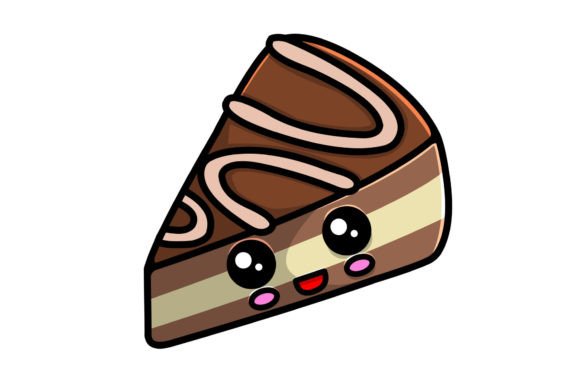
Reviewing the Christmas Cake Icon for Embroidery
As a designer who spends half my life staring at screens and the other half threading needles, I have learned that not every digital asset translates well to fabric. We often get swept up in the crisp lines of a vector on a white background, forgetting that embroidery is a tactile, three-dimensional medium. Recently, I pulled the Christmas Cake Icon Vector Illustration into my workflow to evaluate its potential for a holiday client project. My goal was not just to admire the graphic, but to determine if it could withstand the mechanical realities of stitching while maintaining its charm.
The first impression of this illustration is one of cozy minimalism. It avoids the cluttered complexity that often plagues holiday graphics, opting instead for a clean, recognizable silhouette of a festive cake. For an embroidery designer, this simplicity is a double-edged sword. On one hand, fewer details mean faster stitch-out times and less risk of thread breaks. On the other, simple shapes rely heavily on perfect execution. There is nowhere for poor digitizing to hide. The mood here is warm and inviting, perfectly suited for the current trend of understated holiday decor rather than loud, maximalist designs.
Real-World Application: The Holiday Tote Bag Test
To truly test the viability of this design, I imagined a specific real-life scenario: a custom order for a local bakery wanting branded tote bag designs for their holiday gift sets. The client wanted something that looked professional yet handmade, avoiding the cheap feel of mass-produced prints. This is where the Christmas Cake Icon Vector Illustration shines. Its balanced proportions fit comfortably within a standard 5x7 hoop, leaving ample room for structural stability on canvas or heavy cotton twill.
When visualizing this on a tote, the icon acts as a central anchor. Because it is an Illustrations style graphic, it retains a certain artistic flair that appeals to modern consumers. I pictured using a rich cream fill stitch for the cake body, contrasted with a deep red satin stitch for the cherries or icing details. The visual weight of the design is substantial enough to be seen from a distance, which is crucial for retail merchandise, yet detailed enough to invite closer inspection. For an Etsy seller or small shop owner, this balance increases the perceived value of the finished product.
Fabric Interaction and Stitch Clarity
One of the most critical aspects of reviewing any machine embroidery design is understanding how it interacts with different textiles. This icon performs exceptionally well on stable, woven fabrics. On a kitchen towel or apron, the clean lines of the vector translate into crisp stitch paths. However, I would advise caution when applying this to highly textured fabrics like thick wool or fluffy fleece. The fine details might get lost in the pile, reducing the clarity of the image.
For sweatshirt embroidery, the design holds up well, provided you use the correct stabilizer. A cut-away stabilizer is essential here to prevent the fabric from puckering under the tension of the stitches. Since the design likely utilizes a mix of running stitch outlines and denser fill areas, the contrast between thread and fabric becomes paramount. On dark fabrics, you must ensure your thread colors have high contrast. A subtle tone-on-tone approach, while elegant, might render the design invisible under store lighting. Always test your thread colors against your intended fabric background before committing to a full production run.
Navigating Technical Challenges
While the Christmas Cake Icon Vector Illustration is robust, it is not without its technical demands. Small hoop sizes, such as 4x4, might require scaling down the design. If you shrink it too much, the stitch density can become problematic. Too many stitches in a small area can lead to perforation of the fabric, especially on delicate materials like baby clothes. If you are creating baby embroidery items, I recommend enlarging the design slightly to allow the stitches to breathe, or simplifying the digitizing to reduce density.
Curved surfaces present another challenge. Applying this icon to a cap requires careful positioning. The center of the cake should align with the highest point of the crown to avoid distortion. Additionally, curved surfaces stretch the fabric during stitching, which can warp straight lines. Using a strong backing and possibly a topping stabilizer can help maintain the integrity of the design on tricky garments like hats or puffy jackets.
Commercial Viability and Brand Consistency
For creative entrepreneurs and craft business owners, consistency is key to building brand trust. This illustration offers a versatile aesthetic that can be adapted across various product lines without losing its identity. Whether used on a personalized gift tag, an embroidered patch, or a boutique clothing label, the design maintains a professional appearance. It avoids trendy elements that might date quickly, ensuring that your design assets remain relevant for multiple holiday seasons.
From a marketing perspective, the clean look of this icon photographs beautifully. For online sellers, creating a printable mockup or digital preview is straightforward because the shape is distinct and easily recognizable even at thumbnail size. This enhances buyer engagement on platforms like Etsy, where visual clarity drives clicks. Customers are more likely to trust a seller whose products look polished and well-executed, and this design supports that perception.
Practical Designer Notes for Best Results
Before you load this digital embroidery file into your machine, take a moment to review the technical specifications. Since exact stitch counts and file formats were not provided in the initial brief, you must verify these details yourself. Check if the file is compatible with your specific machine brand. Most modern machines accept common formats, but it is always safer to confirm.
- Test on Scrap Fabric: Never stitch directly on your final garment. Use a similar fabric scrap to check tension and alignment.
- Inspect Small Details: Zoom in on the digitized file. Look for unnecessary jump stitches or overly dense areas that might cause bunching.
- Check Licensing: Ensure you have the right license for commercial use if you plan to sell items made with this design. Some creators restrict the number of units you can sell.
- Contrast Check: View the design in black and white to ensure the shapes are distinct without relying on color.
- Stabilizer Selection: Match your stabilizer to your fabric. Woven fabrics generally need cut-away, while knits may benefit from tear-away or hybrid options.
In conclusion, the Christmas Cake Icon Vector Illustration is a solid choice for holiday-themed projects. It balances aesthetic appeal with practical stitchability, making it suitable for both novice hobbyists and experienced professionals. By respecting the limitations of your materials and paying attention to digitizing quality, you can transform this simple vector into a standout handmade product that delights customers and elevates your brand. Remember, the best embroidery designs are those that look as good in hand as they do on screen, and this icon has the potential to do just that.