Reviewing the Christmas Glass Wrap for Libbey 16oz
As an embroidery designer who has spent years digitizing and testing files for everything from high-end boutique apparel to quick-turnaround craft fair items, I approach every new machine embroidery design with a critical eye. It is not enough for a graphic to look pretty on a screen; it must translate flawlessly into thread, holding its integrity across various fabric textures and hoop constraints. Recently, I evaluated the Christmas Glass Wrap for Libbey 16oz, a piece categorized under Illustrations, to determine its viability for real-world production. This review breaks down how this specific asset performs when moved from digital preview to physical stitch-out, offering practical insights for Etsy sellers, craft business owners, and hobbyists alike.
First Impressions and Visual Personality
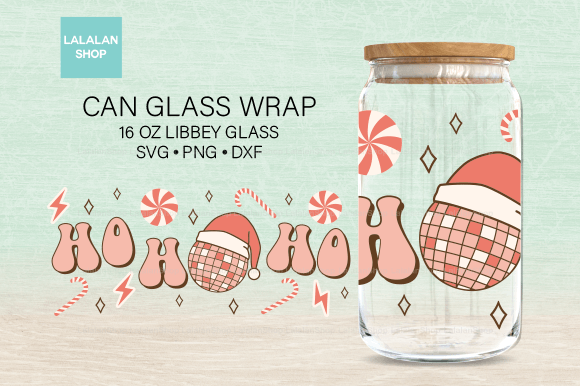
The initial appeal of the Christmas Glass Wrap for Libbey 16oz lies in its thematic clarity. Holiday designs often suffer from over-complication, where too many elements compete for attention within a limited hoop size. However, this design maintains a balanced layout that suggests warmth and festivity without appearing cluttered. The mood is distinctly seasonal, evoking the cozy atmosphere of winter gatherings. For a designer, this visual personality is crucial because it dictates the product fit. This is not a subtle, minimalist accent; it is a statement piece intended to be seen and recognized immediately.
When assessing the line work and potential stitch paths, the design appears to rely on a mix of techniques. While I cannot confirm the exact stitch density or file structure without opening the source embroidery file, the visual weight suggests a combination of fill stitch areas for solid coverage and satin stitch borders to define edges. This combination is typical for holiday motifs that need to pop against darker fabrics, such as navy or forest green sweatshirts. The illustration style lends itself well to traditional thread colors—reds, greens, golds, and whites—allowing for classic holiday palettes that customers instinctively trust.
Real-World Application: From Screen to Stitch
To truly test the versatility of the Christmas Glass Wrap for Libbey 16oz, I considered several common production scenarios. The most obvious application is in custom apparel, specifically sweatshirt embroidery. A crewneck sweatshirt provides a stable, flat surface ideal for medium-to-large designs. Here, the wrap motif would sit prominently on the chest or sleeve, serving as a focal point. The thickness of sweatshirt fleece helps support the stitches, preventing puckering if the correct stabilizer is used.
Another viable avenue is home decor, particularly kitchen textiles. Imagine this design stitched onto a high-quality linen tote bag design or a heavy cotton tea towel. In these contexts, the handmade product gains value through personalization. For an Etsy seller, offering this as a personalized gift option—perhaps adding a monogram below the wrap—could significantly increase conversion rates. The design’s illustrative nature means it does not look like a generic clip-art stamp; it feels curated, which appeals to buyers looking for unique holiday embroidery rather than mass-produced goods.
I also evaluated its potential for embroidered patch creation. Patches are trending in small shop products, and this design could work well if scaled correctly. However, patches require dense stitching to prevent fraying and ensure durability. If the original file is not optimized for patch work, additional digitizing adjustments might be necessary to increase the stitch density along the edges. For baby embroidery projects, caution is advised. While cute, the detail level might be too high for tiny garments unless the design is significantly scaled down, which could compromise the clarity of smaller elements.
Technical Considerations and Fabric Constraints
While the aesthetic is strong, practical execution requires attention to detail. One major consideration is the hoop size. Designs that wrap around cylindrical objects, like the Libbey glass referenced in the title, often have curved dimensions. When translating this to flat embroidery, you must ensure the aspect ratio remains consistent. If the design is too wide for a standard 5x7 hoop, you may need to split it or choose a larger hoop, which limits the types of garments you can use. Always check the dimensions provided with the digital embroidery file before committing to a project.
Fabric choice plays a pivotal role in the final outcome. On thin or stretchy fabrics, such as jersey knits or lightweight cottons, this design could cause pulling or distortion due to the volume of thread. Using a cut-away stabilizer is non-negotiable in these cases. Conversely, on textured fabrics like terry cloth or wool, fine details might get lost. I recommend running a test stitch-out on scrap fabric that mimics your final product. This allows you to inspect thread colors for contrast and ensure that any tiny lettering or intricate corners do not bunch up.
Dark fabrics present another challenge. If the design includes light-colored elements, you may need to use an underlay or even an applique design technique to ensure brightness without excessive stitch count. Testing the design in black and white mockups can help you visualize contrast issues before you thread your machine. Additionally, consider the end-use. If the finished product will be washed frequently, such as a kitchen towel or baby item, ensure the thread quality is high and the stitch connections are secure to prevent unraveling.
Enhancing Brand Value and Customer Trust
For commercial embroidery professionals and small shop product creators, the quality of your design assets directly impacts brand perception. Using a well-balanced illustration like the Christmas Glass Wrap for Libbey 16oz signals professionalism. It shows that you care about the artistic merit of your offerings, not just the speed of production. High-quality design assets lead to better printable mockup presentations, which are essential for online sales. A crisp, clean stitch-out photographed well can drive buyer engagement and justify higher price points.
Moreover, consistency in design style helps build brand recognition. If your shop specializes in cozy, illustrated holiday themes, this design fits seamlessly into that narrative. It avoids the generic look that plagues many low-effort craft business listings. By carefully selecting projects that match the design’s scale and complexity, you enhance customer trust. Buyers are more likely to return to a seller whose products look polished and durable, rather than those that appear hastily made or poorly digitized.
Practical Designer Notes for Success
Before integrating the Christmas Glass Wrap for Libbey 16oz into your workflow, keep these actionable tips in mind:
- Verify Licensing: Always confirm the license terms associated with the embroidery file. Ensure you have the right to use it for commercial embroidery if you plan to sell finished items.
- Test on Scraps: Never skip the test stitch. Use the same fabric and stabilizer combination you intend to use for the final product.
- Check Thread Contrast: Select thread colors that provide sufficient contrast against your fabric base. Avoid low-contrast combinations that make the design look muddy from a distance.
- Inspect Small Details: Zoom in on the design preview. If there are tiny elements, ensure they are large enough to stitch cleanly without breaking needles or thread.
- Consider Stabilization: Match your stabilizer to your fabric. Use tear-away for stable wovens and cut-away for knits or stretchy materials.
- Evaluate Hoop Fit: Confirm that the design fits within your available hoop sizes without requiring re-digitizing or awkward placement.
In conclusion, the Christmas Glass Wrap for Libbey 16oz offers a charming, festive aesthetic that, when handled with technical precision, can elevate a variety of embroidery project types. Whether you are creating custom apparel, home decor, or unique gifts, understanding the interplay between design, fabric, and stitch technique is key to success. By approaching this asset with a designer’s mindset—prioritizing quality, testing thoroughly, and respecting technical constraints—you can create standout products that resonate with customers and strengthen your brand.